Huron 1666 — World Primer
The Land
What is this world?
The year is 1666.
The colony of New France extends along the St. Lawrence like a wound that has not healed. South of Québec, beyond the Jesuit missions and the trading posts and the last French garrison, the wilderness begins — and it does not end.
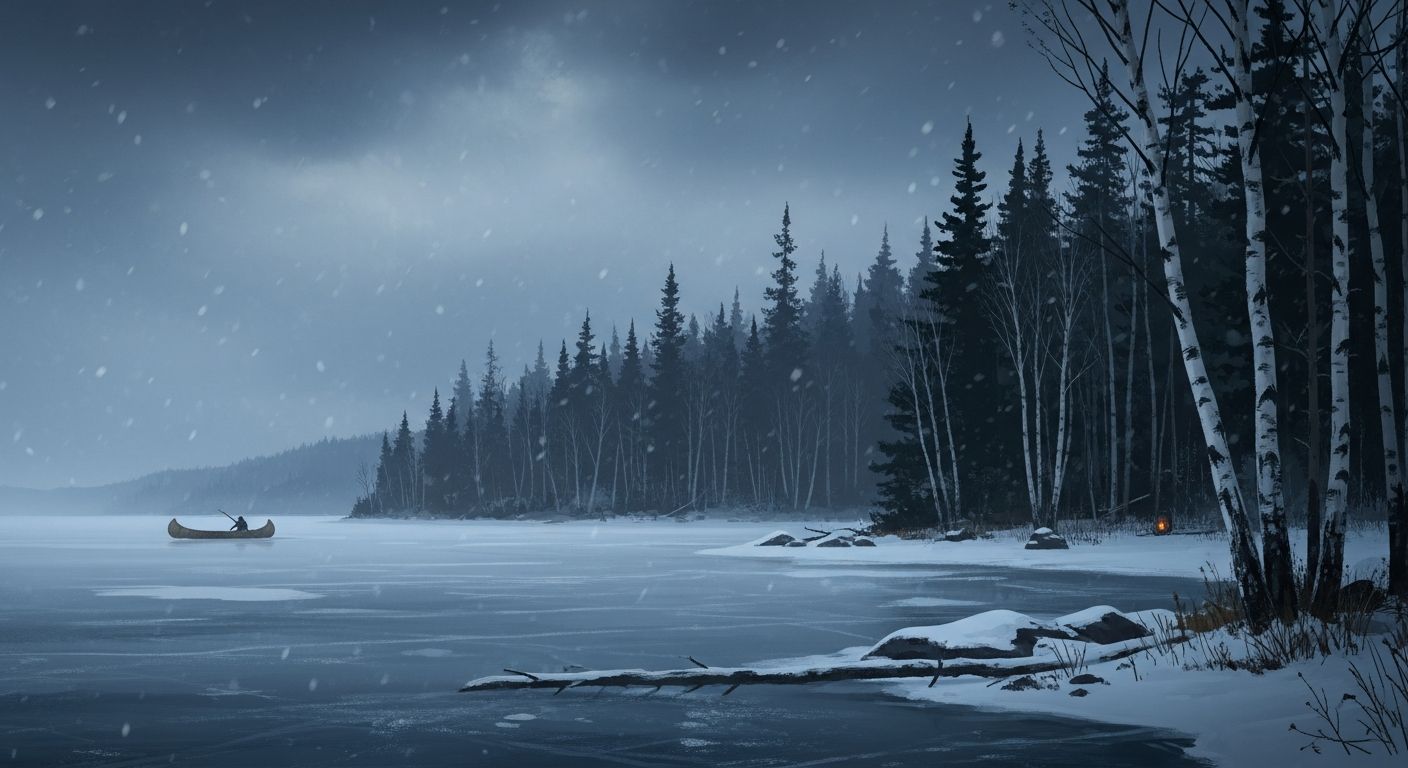
Lake Huron is vast enough to swallow horizons. In winter it freezes over in sheets of grey and white that groan like a living thing. In summer it can kill you just as quickly, with storms that rise in an hour and waves that take canoes down in minutes. The Wendat call it Attigouautan — the great water — and they have lived beside it long enough to know its moods. The French have been here less than sixty years and are still learning.
This is not a land that forgives mistakes.
Three powers move through the territory around Huron in 1666. The French crown, through its governors and missionaries and traders, extends its ambitions westward with a mixture of faith, commerce, and naked military force. The Haudenosaunee Confederacy — the Iroquois — press from the east and south, having driven the Wendat from their traditional homeland two decades prior in a series of wars that left hundreds dead and thousands displaced. And older than either of them, the land itself: the boreal forest, the lake, the winter, the things that live in places where people have not built fires.
The Wendat who remain near Huron are survivors. Those who did not flee to Québec or disperse among other nations have adapted — trading with the French while maintaining their own relationships with territory, medicine, and the spirit world. They are not conquered. They are watching.
The Jesuits believe they are saving souls. Whether the wilderness agrees is another matter.
Characters move through this world in small groups. A garrison posting, a mission station, a trading expedition, a Wendat hunting band. The scale is intimate — a cabin, a frozen lake crossing, a cave where someone has made fire. The threats are specific: starvation, exposure, violence, and the particular terror that comes from being very far from any help, in the dark, in the snow.
Fear travels faster than any canoe.
And winter remembers every mistake.
The Peoples
Who walks here?
The Wendat
Children of Turtle Island
The Wendat Confederacy — Huron to the French — once numbered in the tens of thousands and controlled the territory around Georgian Bay. The wars of the 1640s changed everything. Haudenosaunee raids, Jesuit-introduced disease, and internal fracture dispersed the nation across the continent.
Those who remain near Lake Huron in 1666 are few and watchful. They maintain their trade relationships with New France, guide French expeditions through territory the Europeans cannot read, and preserve their ceremonies and medicine in the face of missionary pressure. They are not broken. They are diminished and adapting.
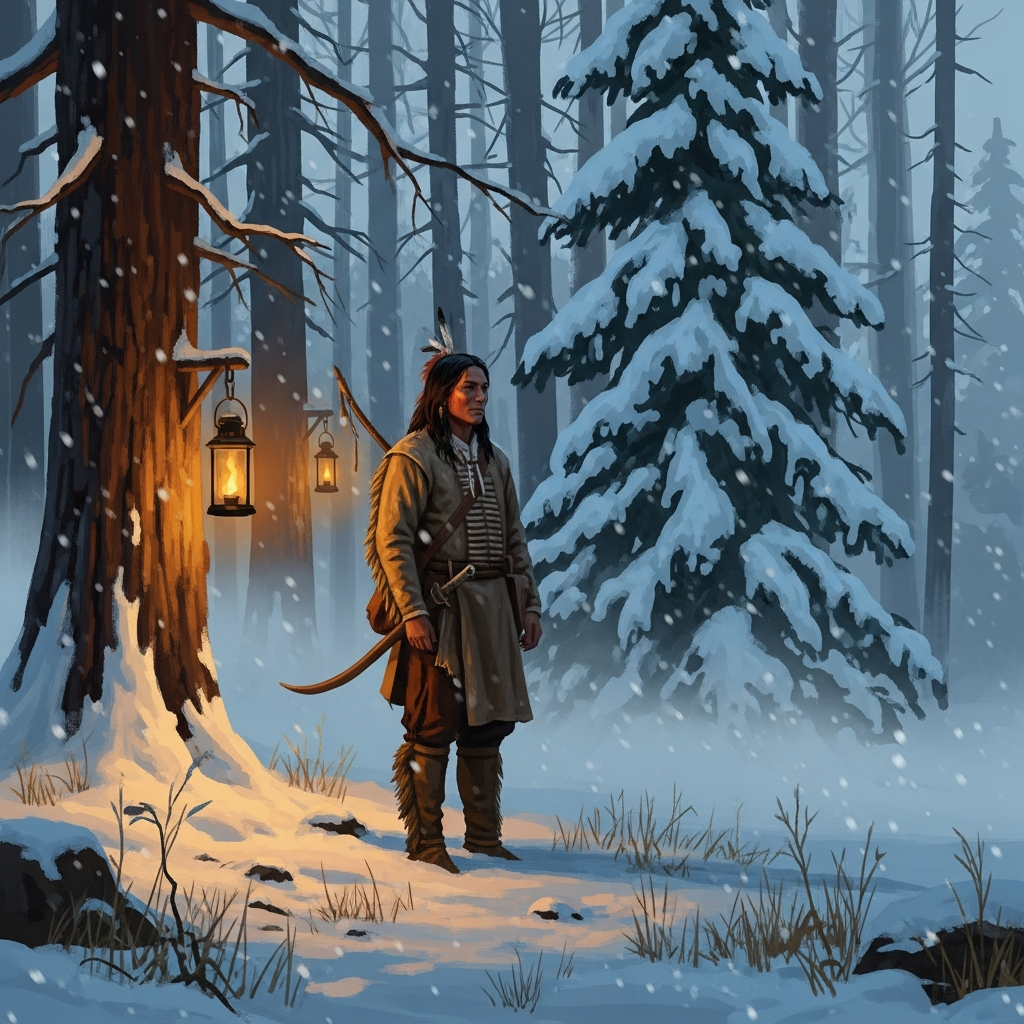
A Wendat hunter knows every sound this forest makes. More importantly, they know when it goes quiet.
The French
Servants of Crown and God
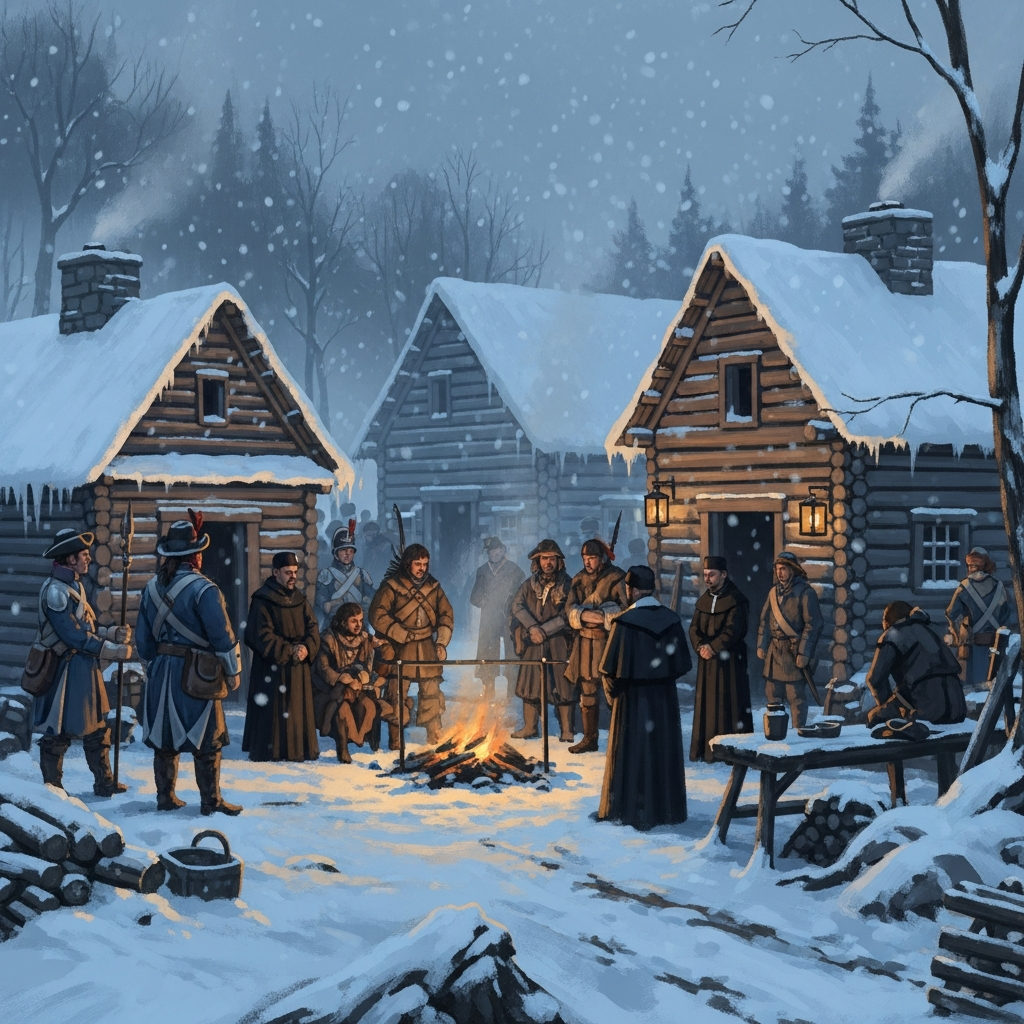
The French presence in 1666 is a thin line of garrisons, missions, and trading posts stretched along waterways that can vanish under ice for five months of the year. Soldiers, priests, traders, and coureurs de bois — the unlicensed wilderness runners who have gone native enough to worry the governor.
Every Frenchman in this territory is here for a reason: a posting they did not choose, a faith they cannot abandon, debt, ambition, or the particular madness that drives men west into the unknown. Some have been here long enough to understand what they are dealing with. Most have not.
Rank means less the further from Québec you travel. A capable coureur de bois is worth more than an inexperienced officer when the temperature drops below what the thermometer can measure.
The Haudenosaunee
The Confederacy's Long Reach
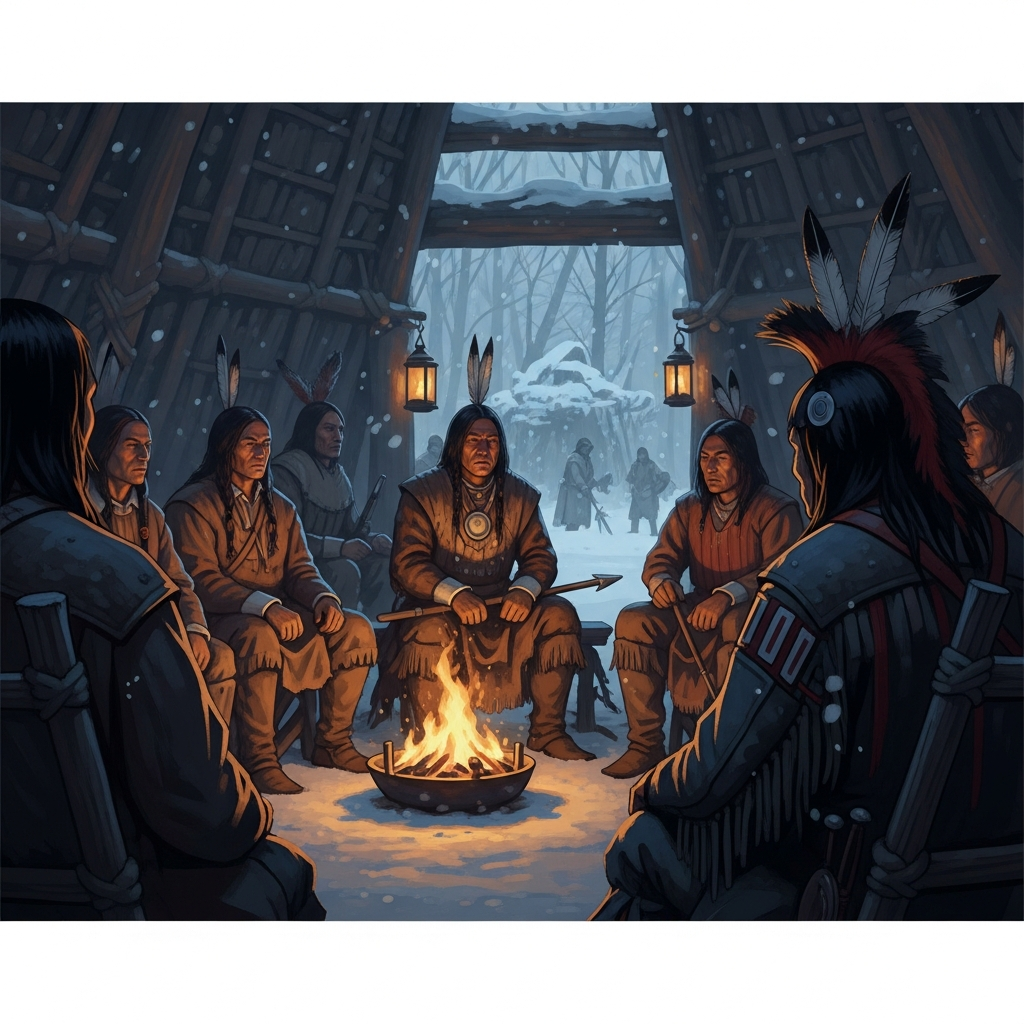
The Haudenosaunee Confederacy — Mohawk, Oneida, Onondaga, Cayuga, Seneca — is the most powerful Indigenous political entity on the continent in 1666. Their raids destroyed the Wendat Confederacy. Their raids destroyed the Neutral Nation. Their raids reach further than the French can comfortably admit.
They are not simply enemies. They are a rival civilization with their own politics, diplomacy, and internal divisions. Some nations of the Confederacy have signed peace agreements with New France. Others have not. The difference matters enormously, and the French do not always know which they are dealing with until it is too late.
A war party in winter moves faster than you think. They know this forest too.
Powers & Shadows
What commands this wilderness?
✦ The Jesuits ✦
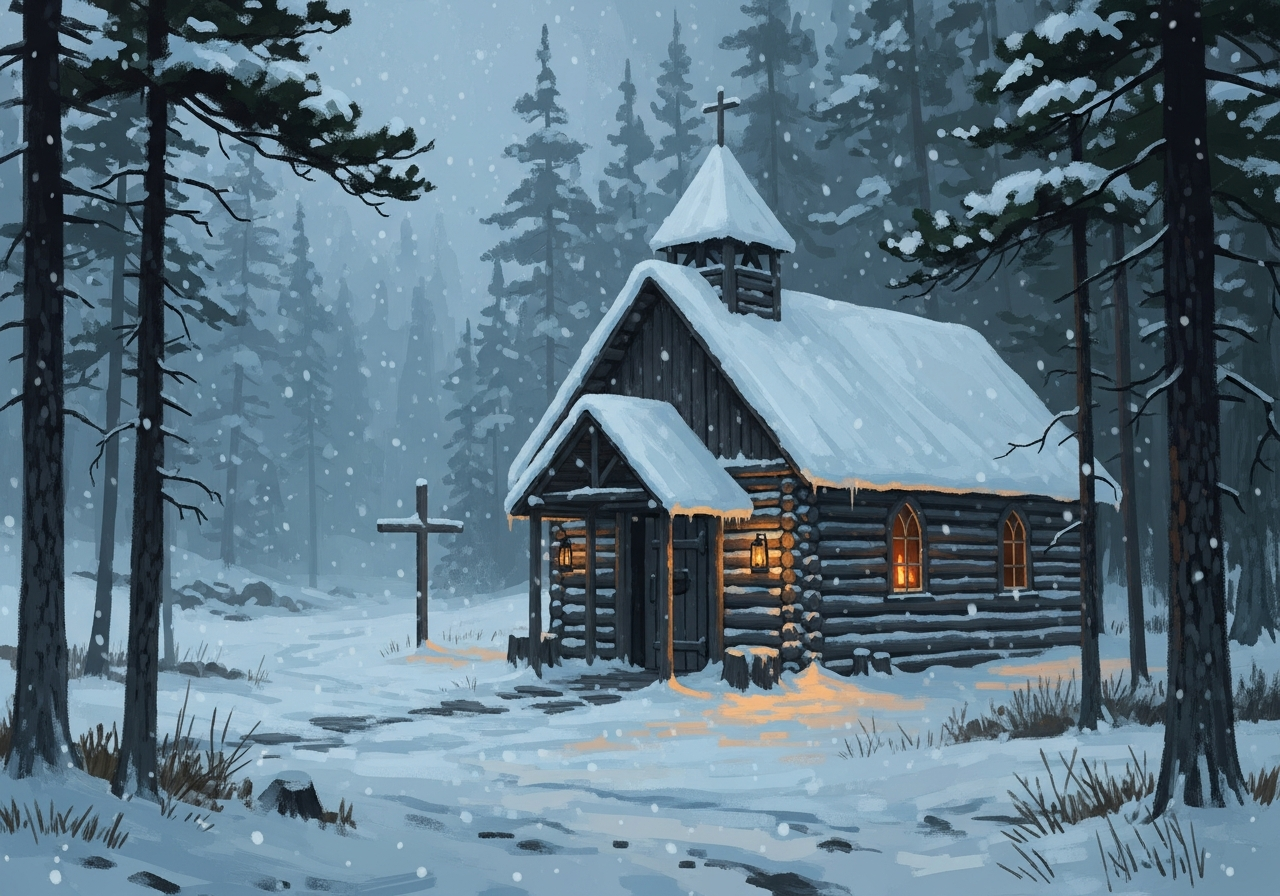
The Jesuit missionaries are the strangest Frenchmen in the wilderness. They follow no military orders and answer to no governor. They go where the souls are, into places where the soldiers will not follow, and they stay when everyone else leaves.
They are educated men — some of the best-educated in Europe — stripped down to a black robe and a crucifix in a forest that does not care about their Latin. The successful ones learn Wendat. The very successful ones learn what the Wendat know about the land. A few have lasted long enough to become something the wilderness has decided to tolerate.
Their Relations — annual reports sent back to France — are among the most detailed accounts of this territory that exist. They record everything: geography, weather, language, ceremony, disease, death. Read carefully, they also record what the missionaries could not understand. Those passages are the most interesting.
God is everywhere, they say. The wilderness does not disagree. That is part of the problem.
✦ The Land Itself ✦
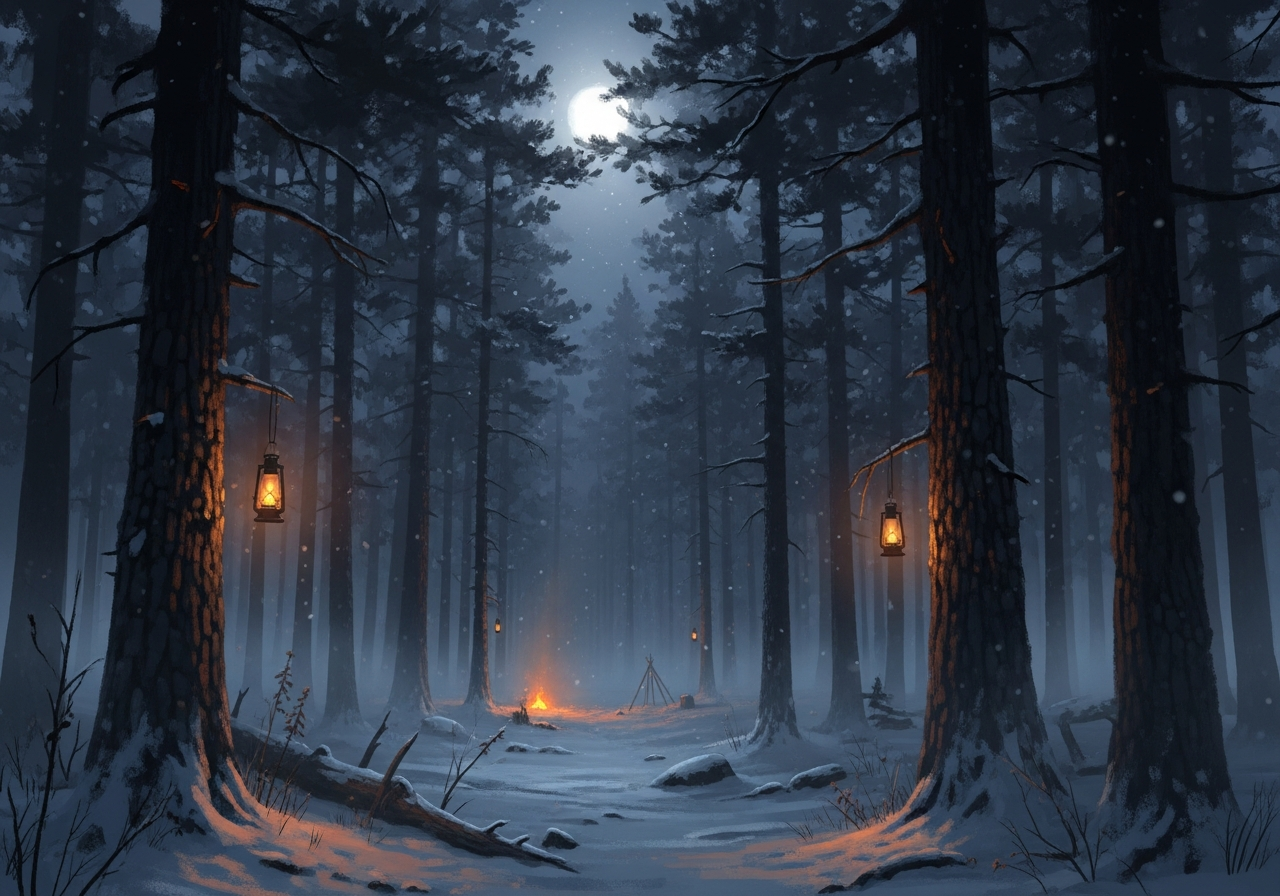
The boreal forest around Lake Huron does not have politics. It has consequences. You are cold or you are not. You are fed or you are hungry. You know where you are or you do not, and if you do not, the forest is not going to tell you.
The Wendat and the Haudenosaunee have lived alongside this wilderness long enough to develop relationships with it — not mastery, but negotiation. Ceremony, hunting medicine, the knowledge of where shelter exists and where it does not. The French have been here sixty years and some of them have started to learn. Most have not gotten far enough to understand what they are still missing.
There are things in this forest that older traditions have names for. The Jesuits have names for them too, though different ones. Whether those names refer to the same things, whether names matter at all in the dark past the last fire, is one of the questions this world keeps asking.
The wilderness does not hate you. It simply does not care whether you survive.
The Company
Who are the survivors?
The Soldier
Garrison — Carignan-Salières
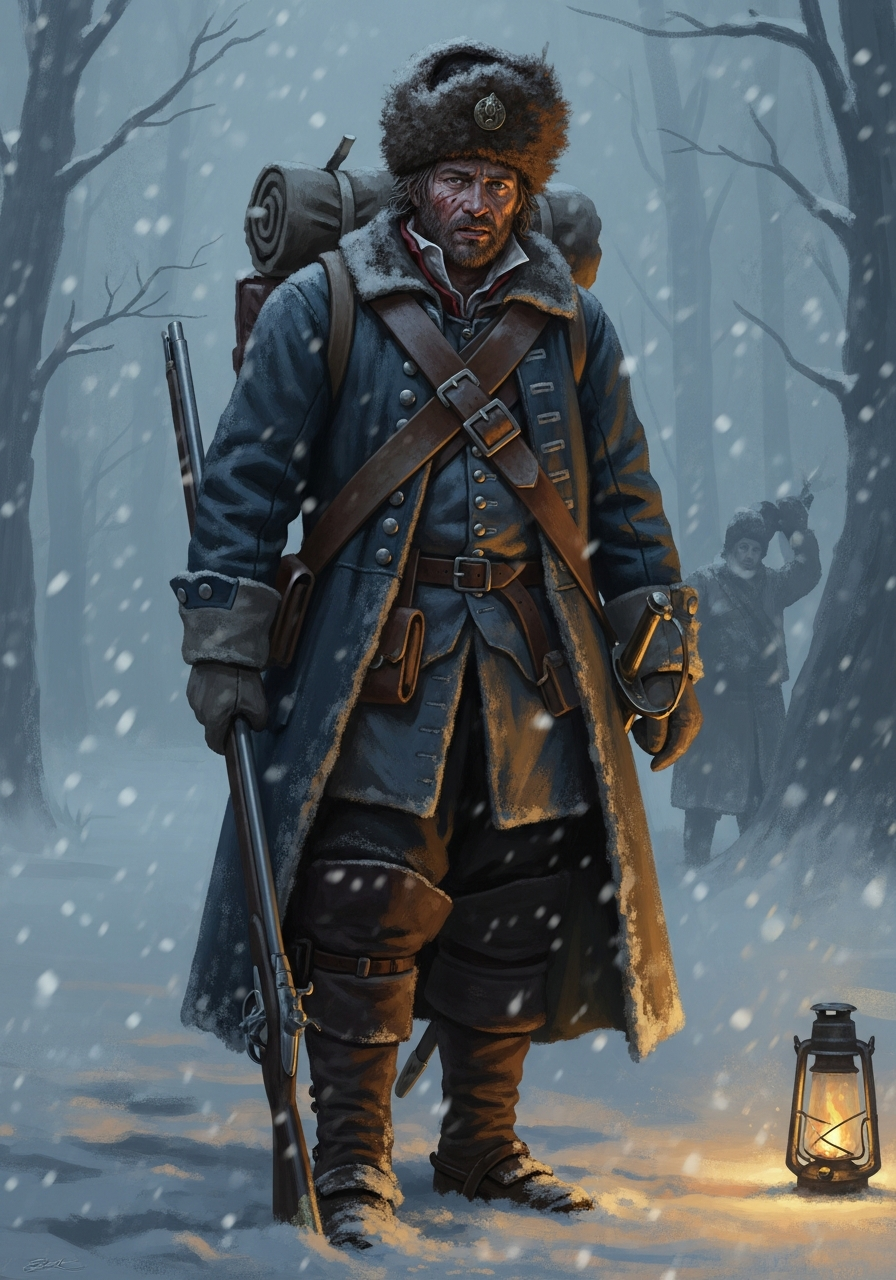
He came to New France with the regiment sent to break the Haudenosaunee raids. The raids slowed. The regiment was demobilized. He stayed — too far in debt to pay passage home, too proud to ask for charity. He knows how to fight in European formations, which is nearly useless in this forest. He is learning the hard way what that means.
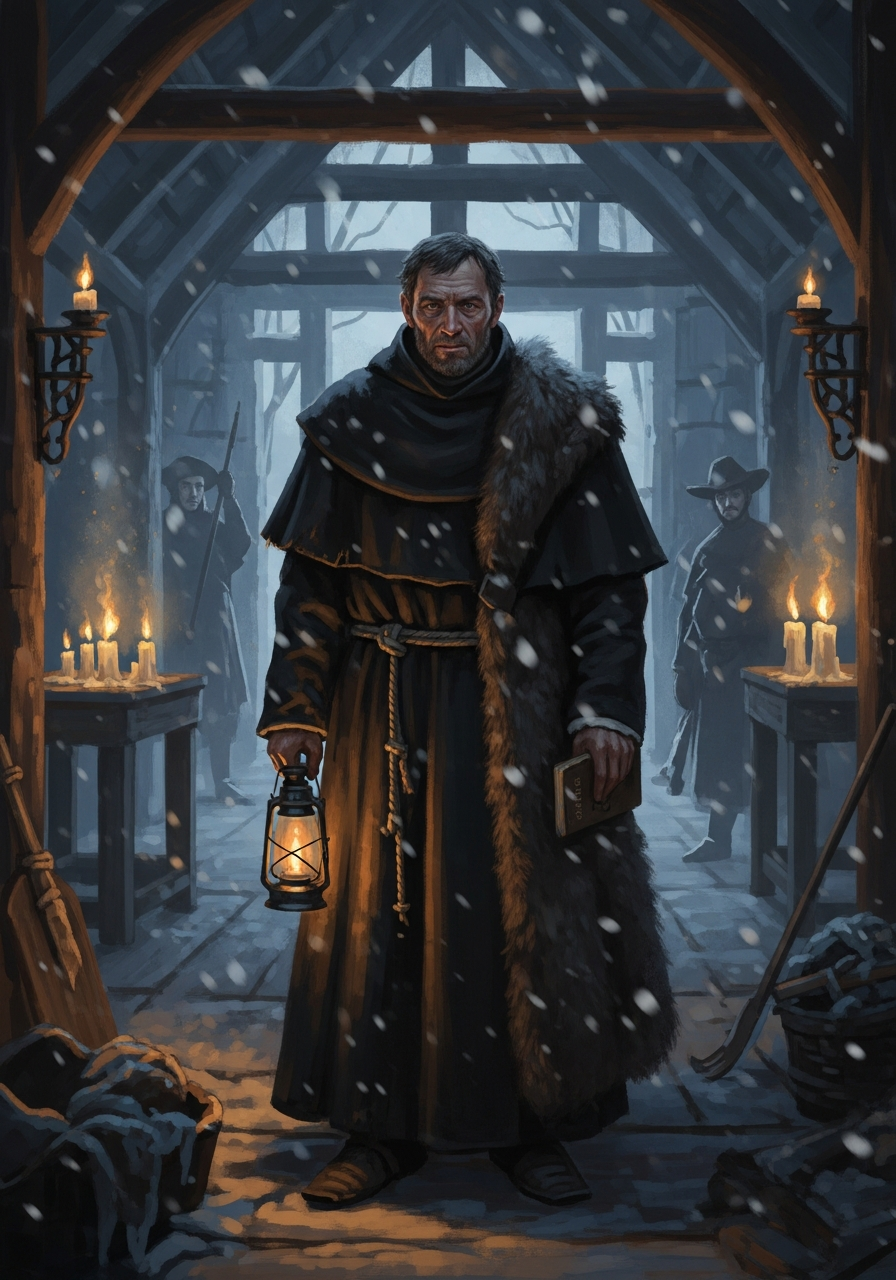
The Missionary
Jesuit — Society of Jesus
Ten years at the missions. Fluent in Wendat. Has survived two winters that killed better-prepared men. He is no longer entirely certain what he believes, but he is certain of what he has seen. He records everything in a small journal written in a shorthand no other Jesuit uses. He has not sent the last twelve months' entries to France.
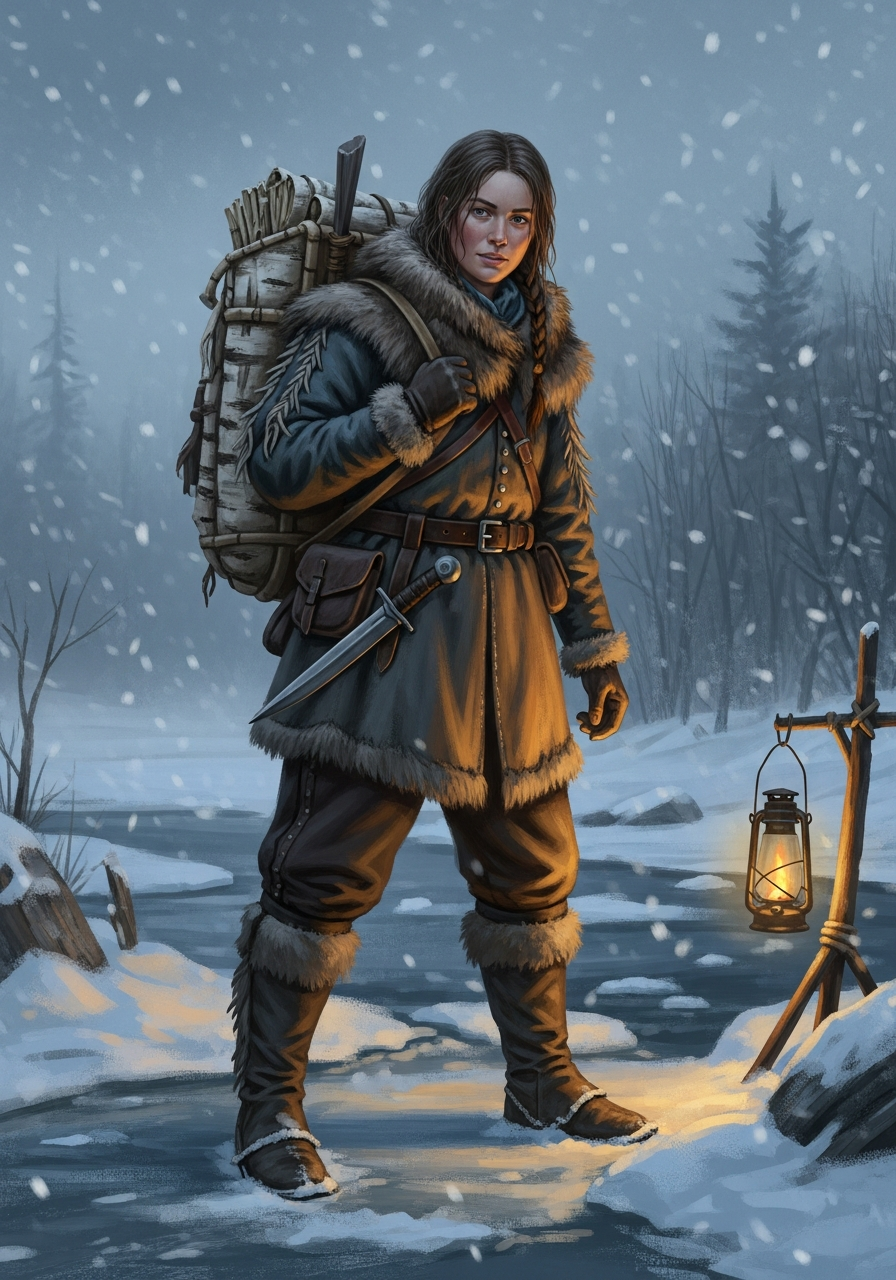
The Trader
Coureur de Bois
Unlicensed. Technically wanted in Québec on three separate charges. Has been living with a Wendat family for seven years and has complicated opinions on every side of every conflict. She speaks four languages, none of them perfectly. She knows where the lake crossings are safe in February and who to bribe at the trading posts. She is the most practically useful person in any group she joins.
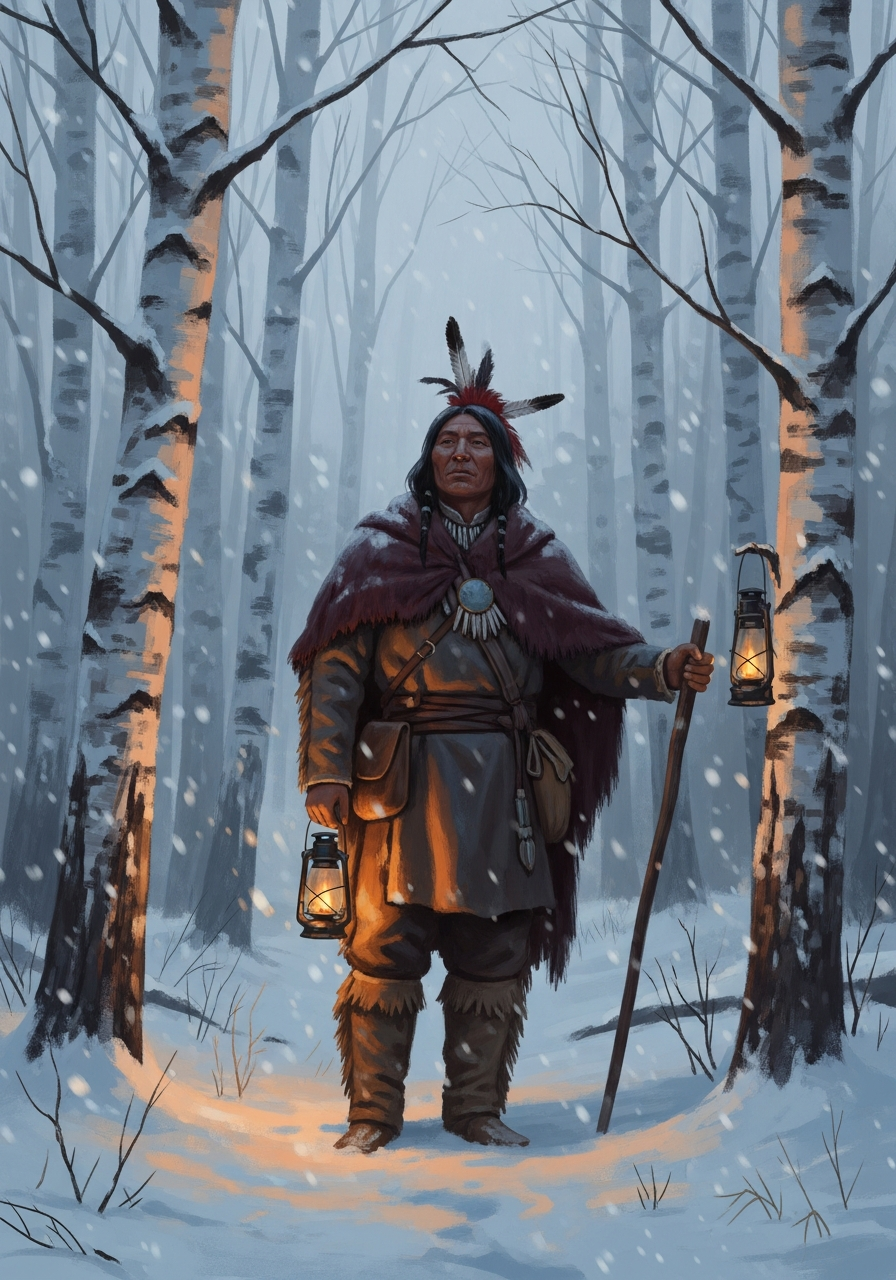
The Guide
Wendat — Arendarhonon Clan
His clan was among those who stayed near the lake after the dispersal. He works as a guide for French expeditions because it pays in goods his community needs, and because it is better to understand the French from close range. He has been watching what they bring into this territory. He is beginning to understand what they cannot see.
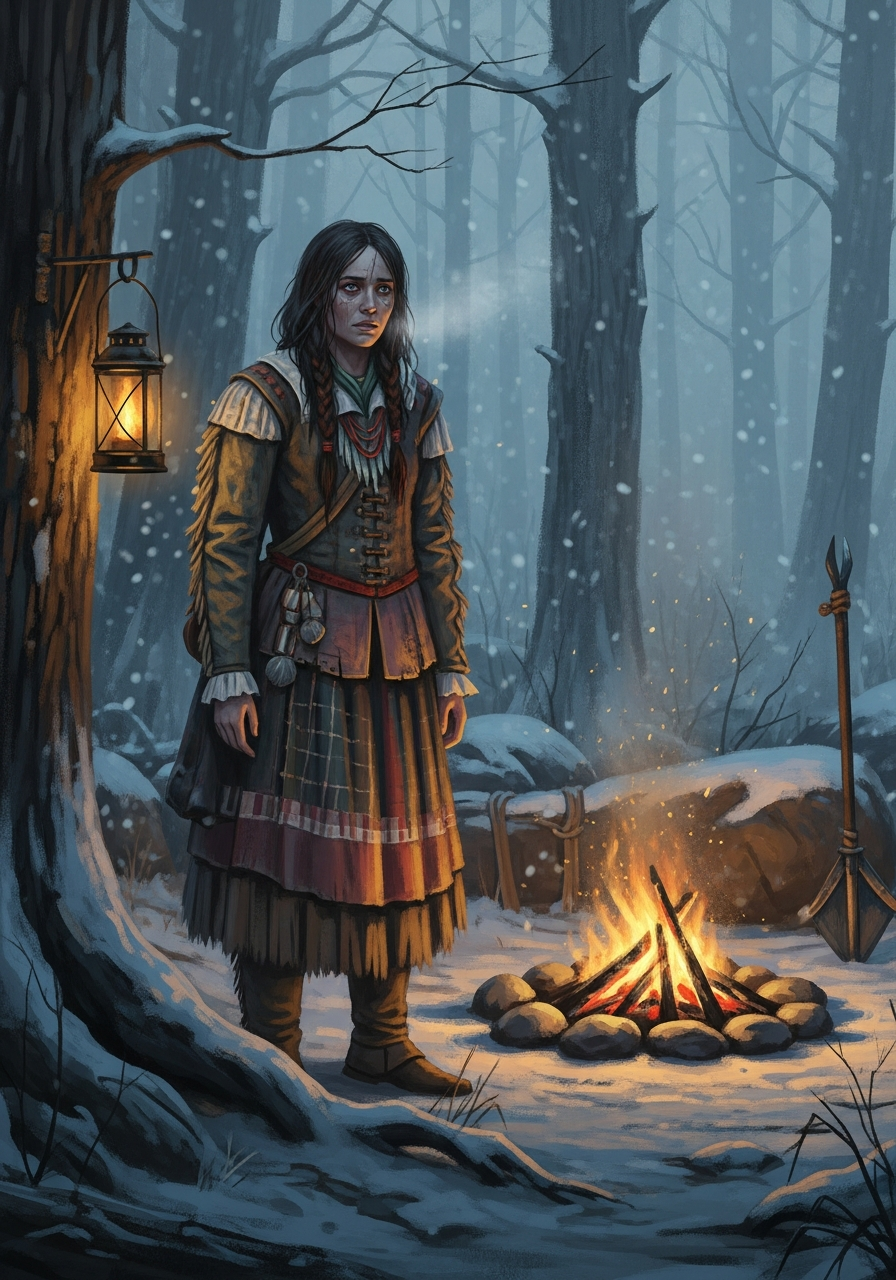
The Survivor
Origin Unknown
She was found in a Wendat winter camp three months ago, half-frozen, speaking no language anyone could identify. She has since learned enough Wendat to communicate in basics. She does not explain where she came from. She does not sleep near open fires. She knows things about the forest that neither the Wendat guide nor the veteran missionary can account for.

Join Discord to Start Adventuring
 Join Discord
Huron 1666 — World Primer
Fear travels faster than any canoe.
New France · 1666